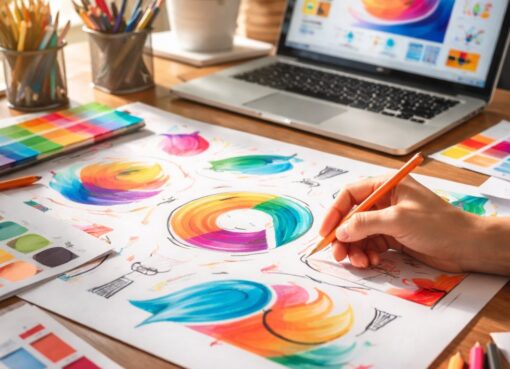
Mastering Visual Design: Transform Your Ideas into Impactful Art

Visual design plays a crucial role in shaping how we interpret and engage with the world around us. By mastering its principles, you can transform your abstract ideas into powerful, meaningful art. The process involves understanding the use of color, typography, space, and imagery to create a visual language that communicates effectively. This means considering the target audience and purpose of the design at every stage of development, ensuring that each element serves the overall goal.
1. Understanding the Basics
The key to visual design lies in a strong grasp of its fundamental elements. These include line, shape, form, texture, and balance. Each element serves a unique purpose, influencing how viewers perceive and interact with a design. For instance, lines can lead the viewer’s eye or create a sense of movement, while different shapes can convey stability or dynamism. By combining these elements thoughtfully, you create a harmonious composition that guides the viewer’s focus and elicits the desired emotional response. A balanced design often feels more professional and trustworthy, which can be crucial in developing a strong brand image.

2. Color : The Building Block of Emotions
Color is a powerful tool in visual design. It has the ability to evoke emotions and convey messages without the use of words. When selecting colors for a design, consider the emotional and cultural associations they carry. Warm colors like red and orange often evoke passion or urgency, while cool colors like blue and green tend to calm and reassure. A well-chosen color palette can enhance the mood of your design and strengthen the overall message. Experiment with different hues, tones, and contrasts to find the perfect combination for your project. Consider using a color wheel to identify complementary colors that work well together and create visual harmony.
3. Typography : The Art of Letterforms
The way you present text in a design can significantly affect its readability and impact. Typography is more than just choosing a font ; it involves selecting typefaces that complement the design’s theme and ensuring that the text is legible and appealing. Pay attention to the size, spacing, and alignment of the text to maintain a clear hierarchy and guide the reader’s eye through your content. For example, sans-serif fonts can be effective for digital content because of their clean lines, which improve readability on screens. Additionally, consider using font pairing techniques to create contrast and highlight important information.
4. The Importance of White Space
Often underestimated, white space, or negative space, is essential for creating a balanced and uncluttered design. It gives breathing room to your elements, making the design easier to digest. Strategically used white space can emphasize key elements and draw attention to the focal points of the art. By allowing your design to “breathe,” you can prevent overcrowding and make sure that each component has the room it needs to stand out. This is particularly effective in web design, where user attention spans are limited and clarity is key.
5. Imagery : Telling Stories Visually
Images can captivate an audience, evoke emotions, and tell stories at a glance. When choosing imagery for a project, ensure that it aligns with the theme and complements the overall design. High-quality, relevant images can enhance your message and improve the user experience. Consider using a mix of photography and illustrations to create dynamic and engaging visuals. When possible, opt for original images or customize stock photos to better fit the narrative of your design. This helps in creating a more authentic and personalized experience for your audience.
6. Creating a Consistent Visual Language
Consistency is key in visual design. A coherent visual language helps build brand identity and ensures that your audience can easily recognize your work. Be consistent with color schemes, typography, and imagery across all your projects to create a strong, unified brand presence. This consistency not only builds trust with your audience but also reinforces your brand’s message over time. Regularly updating and revisiting your visual guidelines can help maintain relevance and freshness in your designs, ensuring they continue to resonate with your target audience.
Mastering visual design requires practice, patience, and a willingness to learn and adapt. By delving into the principles discussed above and applying them to your projects, you’ll be able to create art that not only captivates but also communicates effectively. Whether you’re designing a website, crafting a brand identity, or creating a marketing campaign, the ability to transform abstract ideas into impactful visual designs is invaluable. Remember that designs are not static ; they evolve with trends, technology, and audience preferences, necessitating a flexible approach and continual learning.